Skip to content Skip to footer
Town Hall, 333 Bay Street, Port Melbourne

Women’s Suffrage Petition of 1891

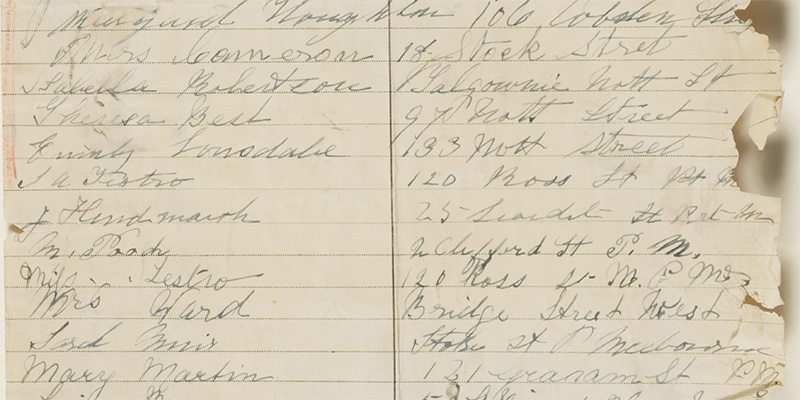
by David Thompson In 1891 members of the Women's Christian Temperance Union, the Victorian Temperance Alliance and other women's suffrage groups worked together to collect signatures from residents of more than 800 Victorian towns and suburbs for the Women’s Suffrage Petition.[i] It wasn’t the first petition for women’s suffrage. A petition of around 1,500 signatures was presented to the British…
Read more

John Pickles: Shipwright & Smithy

by David F Radcliffe John Pickles, after whom Pickles Street is named, is forever associated with his ‘kidnapping’ in August 1862. The recently formed Borough Council was scheduled to meet to elect a new mayor and many favoured John Pickles over other candidates. However, he was not interested in the role. To make sure he did not attend the meeting to decide…

Read more

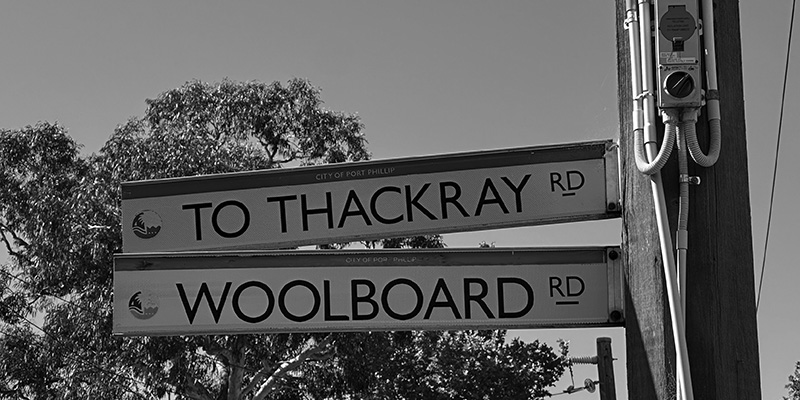
Thackray Road

Street Signs, 2025. Photograph by David Thompson. Thackray Road, off Woolboard Road, is a short street closed at the Westgate Freeway with a few light-industrial properties on one side and rear access to properties in Salmon Street on the other. It is named for William Andrew Thackray who was City Engineer from 1968 until his retirement in 1988. William Thackray,…

Read more

Allan Whittaker Commemoration 2025

Former Supreme Court judge Frank Vincent's address to the Whittaker commemoration: “Allan Whittaker was no hero because he was shot on landing on the beach at Anzac Cove. He came back with a limp, no money and very poor. And this whole area at that time was poor. When he was eventually shot he was moving away from the police.…

Read more

Peckville Street

by David F Radcliffe Peckville is a small street with a big backstory. It is narrow as you enter from either end but then widens in the mid-section to reveal a cluster of Victorian cottages. This symmetry suggests a level of forethought and planning not evident in many other parts of Port Melbourne. In June 1869, the government auctioned the…

Read more

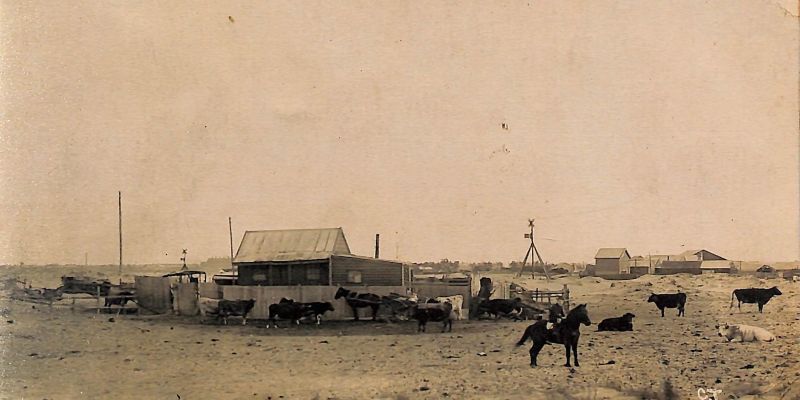
Dairies in Port Melbourne

by Margaret Bride Until the 1940s most milk consumed in Port Melbourne did not come from dairy farms on the city fringe but rather from dairies that pastured their cows on Fisherman’s Bend. Before the widespread use of refrigeration the distribution of milk, cream and butter involved a constant battle to get the products to the consumer before they turned…

Read more

William Elsdon: Sandridge Engineer & Architect

by David F Radcliffe Although the railway from Melbourne to Sandridge, the first in Australia, is central to what became Port Melbourne, the story of the engineers responsible for its design, construction and development is little known. During its creation between 1852 and 1854, the railway employed three different Chief Engineers. The saying “third time’s a charm” aptly describes the…

Read more

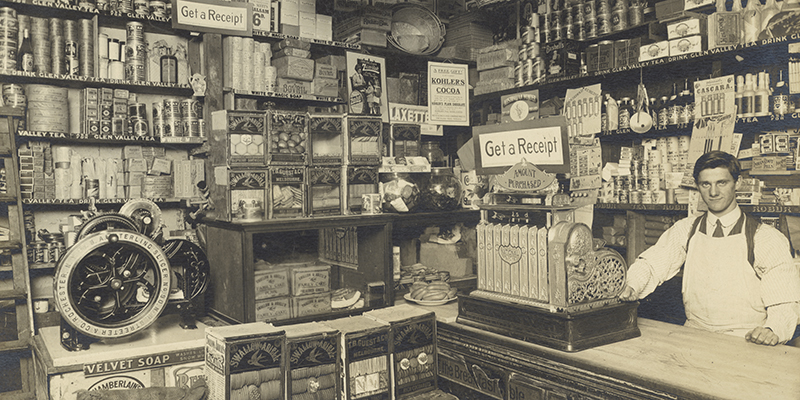
Benjamin Bolton, Cash and Family Grocer

by David Thompson Interior, Benjamin Bolton, Family Grocer, Port Melbourne. c1913-c1916. Photographer Algernon Darge. State Library of Victoria. If you have visited Coles supermarket, in Bay Street, via the travellator leading from the rooftop car park, you will be familiar with this photograph. Taken by Algernon Darge around 1913-16, it shows the interior of Benjamin Bolton's Grocery store. It is held…

Read more

George Furner Langley

A Port Melbourne man’s role in the North Africa Campaign of World War I Margaret Bride The political world map of 1913 is unrecognisable to us in 2025. The fading dominance of the Ottoman Empire in the Middle East, the Iberian Peninsula and North Africa played a significant part in the events of World War I but most Australians…

Read more

PMHPS acknowledges the generous support of the City of Port Phillip.


The content of this site (images and text) must not be reproduced in any form without the prior consent of PMHPS or the copyright holder.

Acknowledgement of Traditional Custodians

We respectfully acknowledge the Traditional Custodians of the land on which we meet and work, the Bunurong Boon Wurrung and Wurundjeri Woi Wurrung peoples of the Eastern Kulin Nation and pay respect to their Elders past, present and emerging.