The Tip; Tadpoles; Can-making; Fruit-canning; and Butchering
by Albert Caton
The Port offered some interesting outlets for young kids. If one was allowed to go to the piers there were cargo ships and large passenger steamers regularly visiting. Watching loading or unloading was interesting; and arrival and departure of the passenger steamers was always colourful and busy.
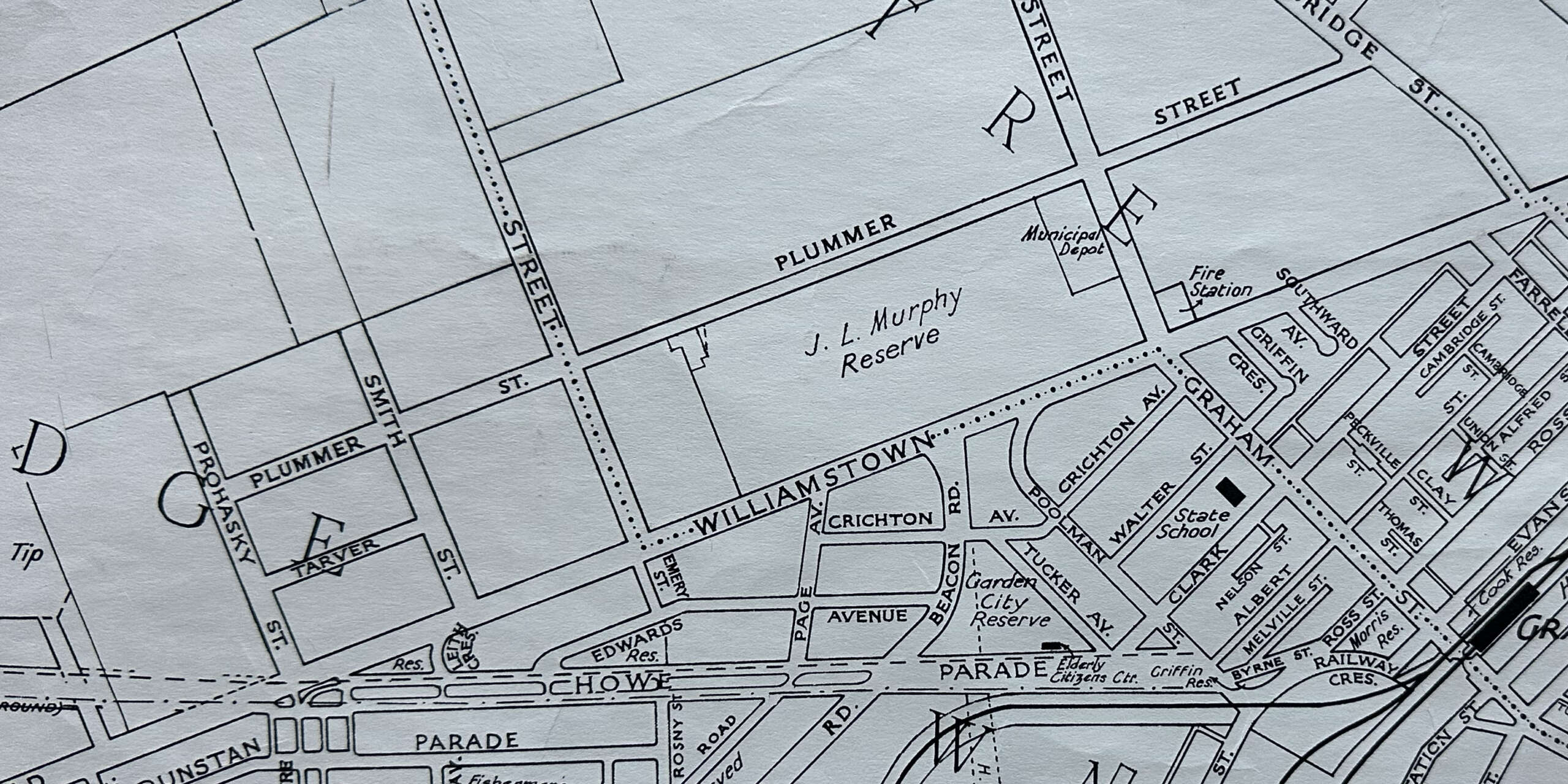
Closer to home, across Williamstown Road at the end of Graham street along past the Fire Brigade station, there was an open paddock used as a (in the current politically-correct vocabulary) ‘recycling facility’. To us, it was ‘the tip’; and visits usually unearthed something interesting.
One clear recollection is of discovering some electricity meters. On lugging a couple home, and getting to work with a screwdriver, some interesting internals came to light. There was the revolving disc that presumably indicated power usage. But more usefully it was held between two magnets that, once removed, proved to be quite powerful. I kept them for several years so that they would be available should I need, a bit like Mandrake the Magician, to ‘gesture magnetically’.
For educational offerings of a more biological bent, there was a paddock of swampy grassland across the railway line between Tucker Avenue and the entrance to Prince’s Pier. I assume there were snakes or lizards there (not that I recall ever meeting any), but I was often distracted at a couple of areas where pools of water 10 – 20 cm deep were more or less permanent. They were a source of tadpoles, and provided the wherewithal for conducting tadpole-metamorphosis observations in a jar at home.
Before long, the young tadpoles would sprout hind legs and, later, small front legs. When eventually the gills, legs and tail had shrunk, one was graced with a tiny frog. All very educational.
When one was older there were other opportunities for learning—for example when working at Tom Piper; or when selling papers at the now-demolished London Hotel across from the Gadsden tin works in Princes Street.
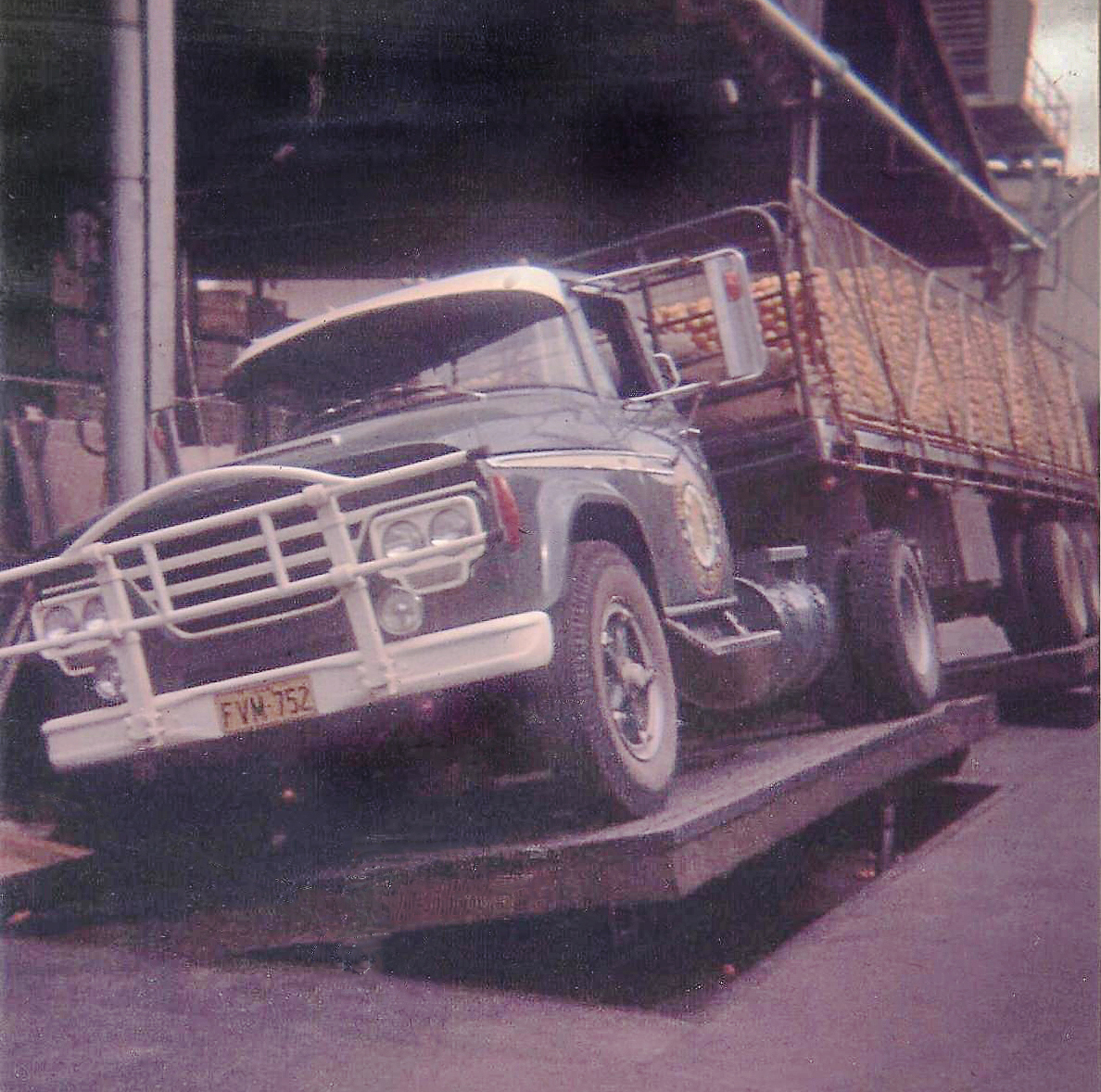
The Tom Piper tinned-fruit processing line was daunting. Women would sit facing a sharp, U-shaped blade on which they’d roll apricots or such to halve them to remove the pit. The blade looked really sharp, and their fingers were so close. Scary!
Gadsdens offered a different production line. Sheets of tin would move along a waist-high roller conveyor line, where the tin would be folded, soldered along the side to form the body of the tin, be upended for the base to be soldered, overturned again for the top and opening cap to be soldered on, and finally finished with a swing-up lifting handle. Hot, noisy and smelling of hot metal. But fascinating to watch.
I was also fortunate in having a butcher (Fred Caton) as an uncle. Cows weren’t born as chops in shrink-wrap plastic bags but were delivered to the shop as full or (split lengthwise) half-carcasses. Uncle Fred would trim them, separate out the cuts, and set these for display in his window. Sharp knives were essential, and he would intersperse the butchering with regular bouts of knife sharpening, his knives housed in a sheath that rattled at his side as he walked about. I think the navy-blue-and-white apron that he wore was ‘de rigeur’ for butchers.
Blood drips, fat, and meat trimmings would commonly drop to the floor. Also, his butchering was done on a large timber block made from grain-upwards timber. Regularly, the top of the block would be scoured with a wire brush, the scrubbings added to the floor. For hygiene, the floor had sawdust scattered over it, effective in absorbing blood, scraps and thinner scrapings. Sweeping up the sawdust cleaned up the droppings, and kept the shop tidy. It never smelled of stale or bad meat.
I wonder if youngsters today obtain as much practical education and activity from their mobile phones?
~~~~~~~~
Howard Gostelow worked as an in-house printer for Tom Piper in the 1960s. You can read his story here.
Win May worked in the office at Tom Piper in the late 1950s and 1960s. You can read her story here.
Since the photograph shows oranges being delivered to Tom Piper, we thought you might like to see this advertisement for Tom Piper Orange Cordial from the 1960s. Probably from In Melbourne Tonight. The host (at the end) is certainly television and radio star, Graham Kennedy. https://archive.org/details/1960-commercial-for-tom-piper-cordial
2 Comments
Rosie Bray
This doco took me back to my time in Bagdad (Gellibrand Rd). During WW11 , my mum worked at Tom Pipers, slicing veg/fruit with long SHARP knives. Her hands were ALWAYS cut/sore, it was a terrible job—-but war time and man power ruled. And the tip, well that was another story……Billy Miller from Gellibrand Road took care of the Tip.
Did a good job too. And Gadsens, another story —I studied the factories of Port Melb for my La Trobe Uni Thesis ….Gadsens was one of them. Yes Im old now but my memory is as sharp as ever. Rosie Bray nearly 94.
David Thompson
Thanks for adding your memories Rosie.